
Life in the Philippines 🇵🇭
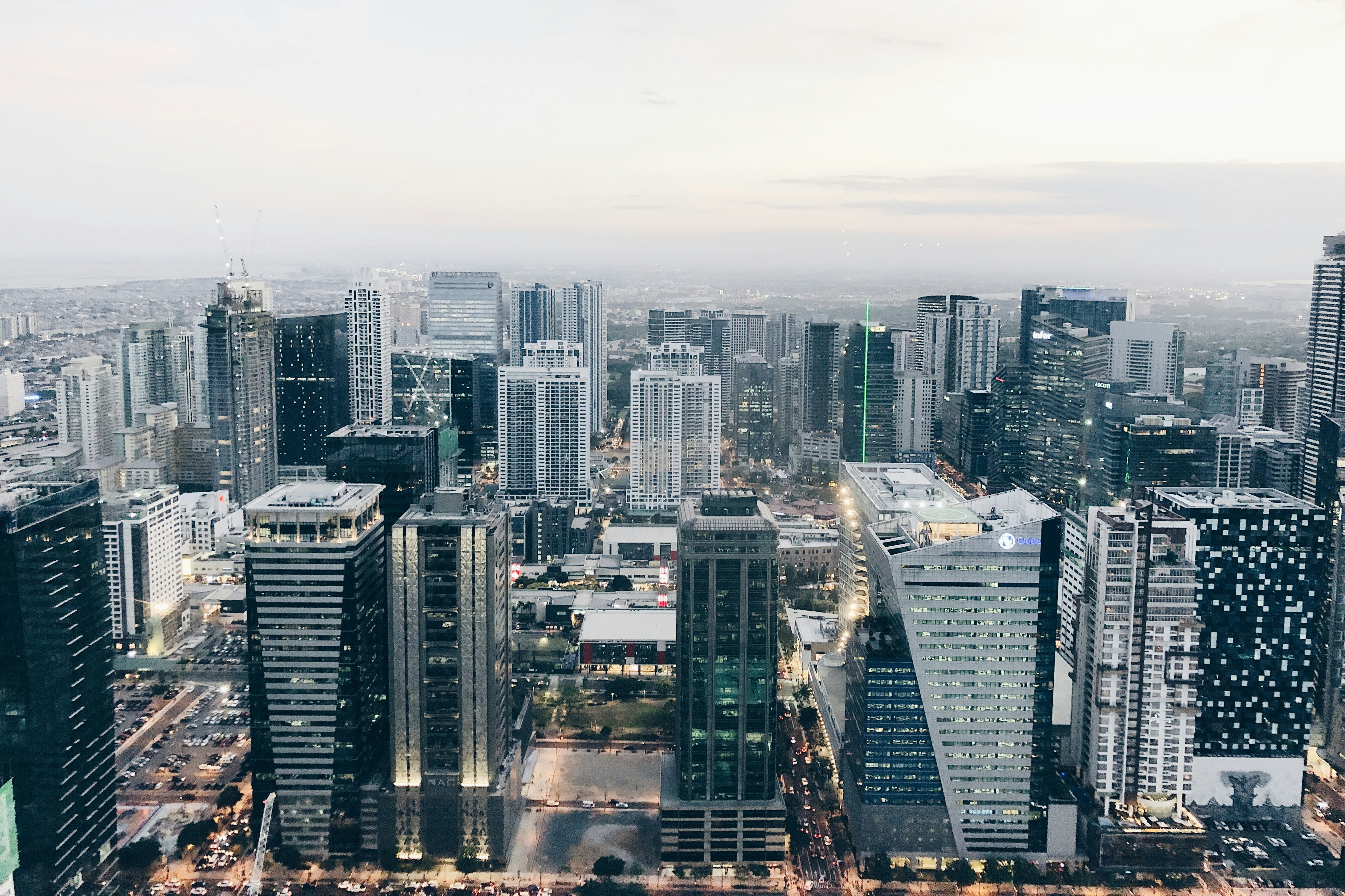
Before You Fly ✈️🧳📄
A smooth start in the Philippines begins with simple planning before departure.
1) Entry Basics 🛂
- Check current visa and entry rules for your nationality.
- Make sure your passport is valid for at least 6 months.
- Keep both digital and printed copies of travel documents.
2) Travel Planning 🗺️
- Book flights that match your initial stay plan.
- Arrange your first few nights of accommodation in advance.
- Save your arrival address and airport transfer options before you land.
3) Health and Packing 🌤️💊
- Complete a basic health check before travel.
- Bring personal medication and daily essentials.
- Pack light clothes for tropical weather plus a light jacket for indoor A/C.
4) Money and Connectivity 💳📱
- Notify your bank you’ll use cards overseas.
- Prepare a mix of card and small cash for first-day expenses.
- Plan local SIM/eSIM setup so you can get online immediately.
5) First-Week Readiness ✅
- Learn basic local etiquette and transport options.
- Save emergency numbers and key addresses.
- Keep your first-week goals clear: housing, transport, mobile, and routine setup.
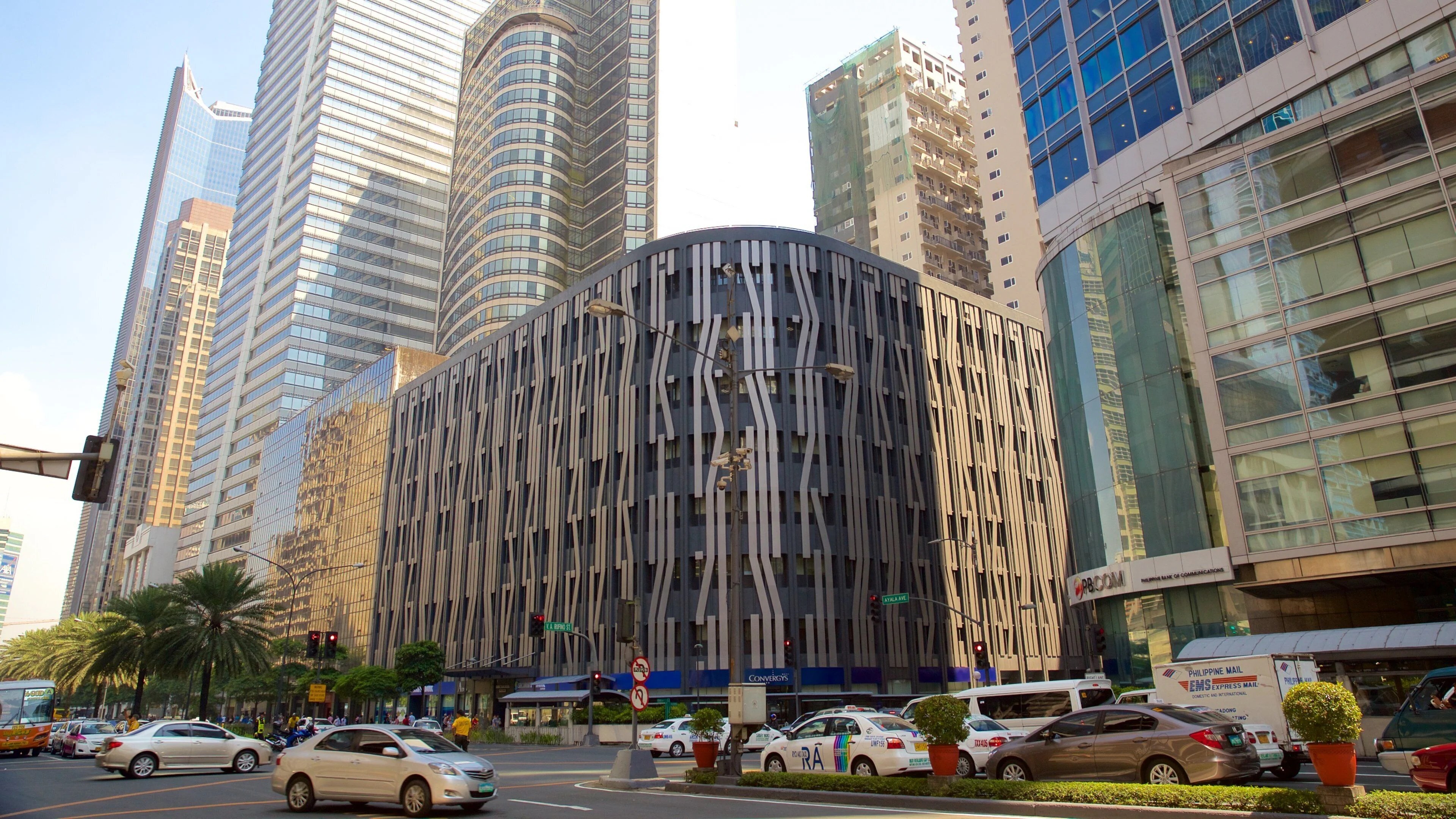
Arrival Day 🛬🛂🚕
Welcome to the Philippines. Your first day should be simple: clear immigration, reach your accommodation safely, and get connected.
1) At the Airport 🛂
- Prepare your passport, visa (if required), and return/onward flight details.
- Keep your accommodation address ready in case immigration asks.
- Follow official airport signs and use authorized counters only.
2) From Airport to City 🚕
- Use trusted transport options such as airport taxi counters or app-based rides.
- Confirm the destination and fare estimate before starting the trip.
- Share your ride details with a friend or teammate for safety.
3) First-Day Essentials 📱💳
- Buy or activate a local SIM/eSIM for data and calls.
- Exchange a small amount of cash for immediate expenses.
- Keep most payments digital where possible for convenience.
4) Check-In and Settle In 🏨
- Complete check-in and save your address in map apps.
- Locate nearby essentials: convenience store, pharmacy, and ATM.
- Rest, hydrate, and adjust to the local climate and time zone.
5) Safety Basics for Day One 🚨
- Save emergency contacts and your embassy/consulate details.
- Avoid carrying large cash amounts.
- Stay in well-lit, high-traffic areas, especially at night.
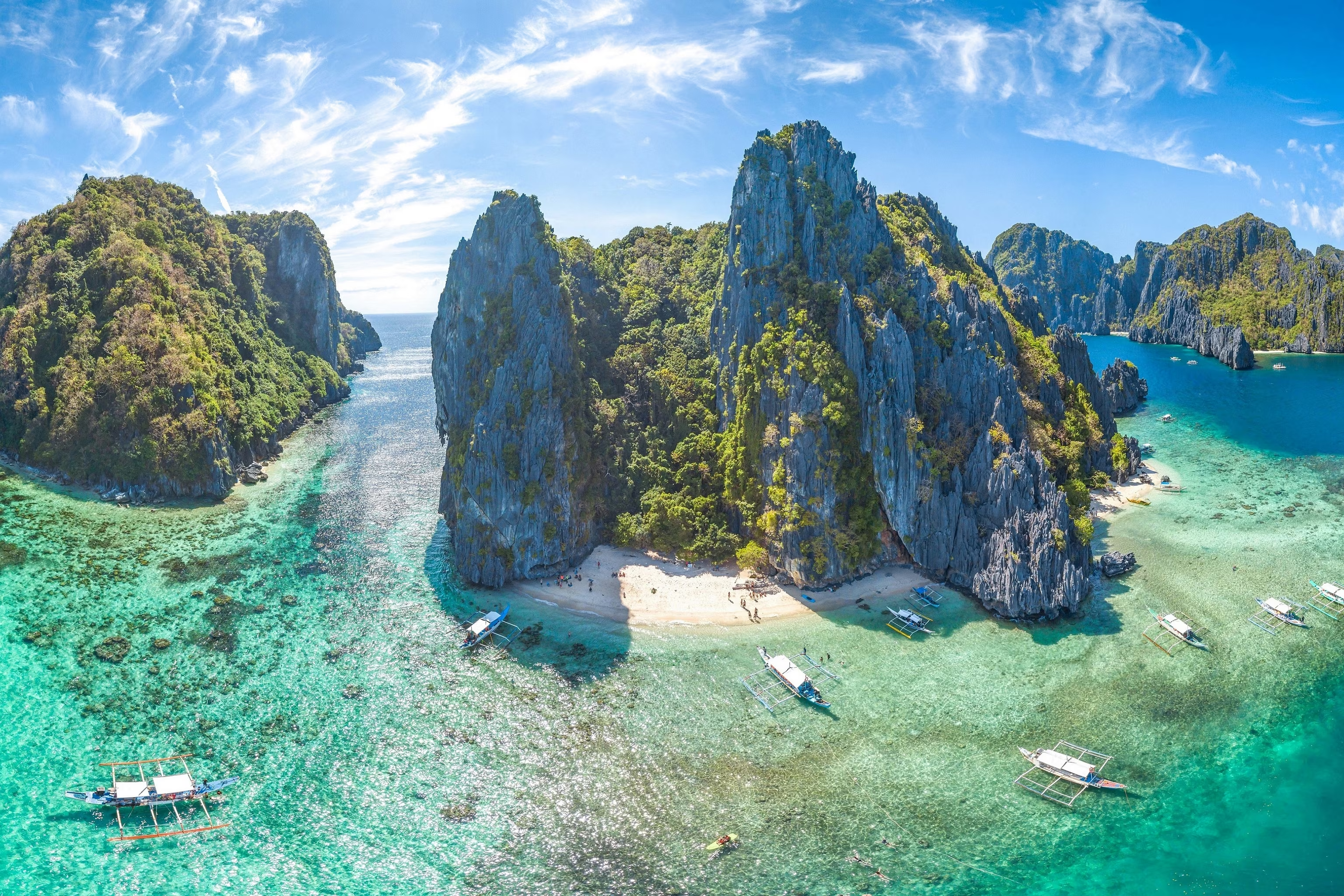
Life in the Philippines 🌴🏙️🍜
Living in the Philippines offers a mix of modern city convenience, tropical lifestyle, and strong community culture.
1) Daily Lifestyle ☀️
- Expect warm weather year-round, with rainy months typically from June to November.
- Daily life is social, friendly, and community-oriented.
- Malls and mixed-use districts are common hubs for shopping, dining, and services.
2) Getting Around 🚗
- In major cities, app-based rides and taxis are widely used.
- Traffic can be heavy during peak hours, so plan extra travel time.
- Walking is common in central districts, but weather can change quickly.
3) Food and Culture 🍜
- Local cuisine is diverse, from everyday comfort food to regional specialties.
- English is widely used in business and daily interactions.
- Respectful communication and personal relationships are highly valued.
4) Payments and Services 💳📱
- Card and e-wallet payments are common in urban areas.
- Cash is still useful for smaller shops and local transport.
- Mobile-first services are widely used for transport, food delivery, and shopping.
5) Work and Balance 💼
- Business environments are often collaborative and relationship-driven.
- Flexible planning helps with weather, traffic, and local pace.
- Weekends are ideal for short trips, beaches, and nature escapes.
6) Safety and Practical Tips 🚨
- Use trusted transport and avoid carrying large cash amounts.
- Keep emergency contacts and key addresses saved on your phone.
- Stay aware of local advisories, especially during typhoon season.
 Beyond Horizon Group